Case Study:
From Call Center to Growth Engine: Transforming Patient Services into a Strategic Hub
Industry
Healthcare
Client
Patient Services Department – Back facing
Focus Areas
Customer Experience · Growth Strategy · Operational Transformation · Resource Optimization · Systems Design
Outcomes Delivered
Challange
An ophthalmology practice’s patient services department served as the first point of contact for vision correction patients. However, it was underperforming, seen as “just a call center,” and failing to keep pace with growing patient demand.
Key Challenges
-
Inefficient, redundant processes created bottlenecks.
-
Fragmented communication between marketing, scheduling, and clinical teams.
-
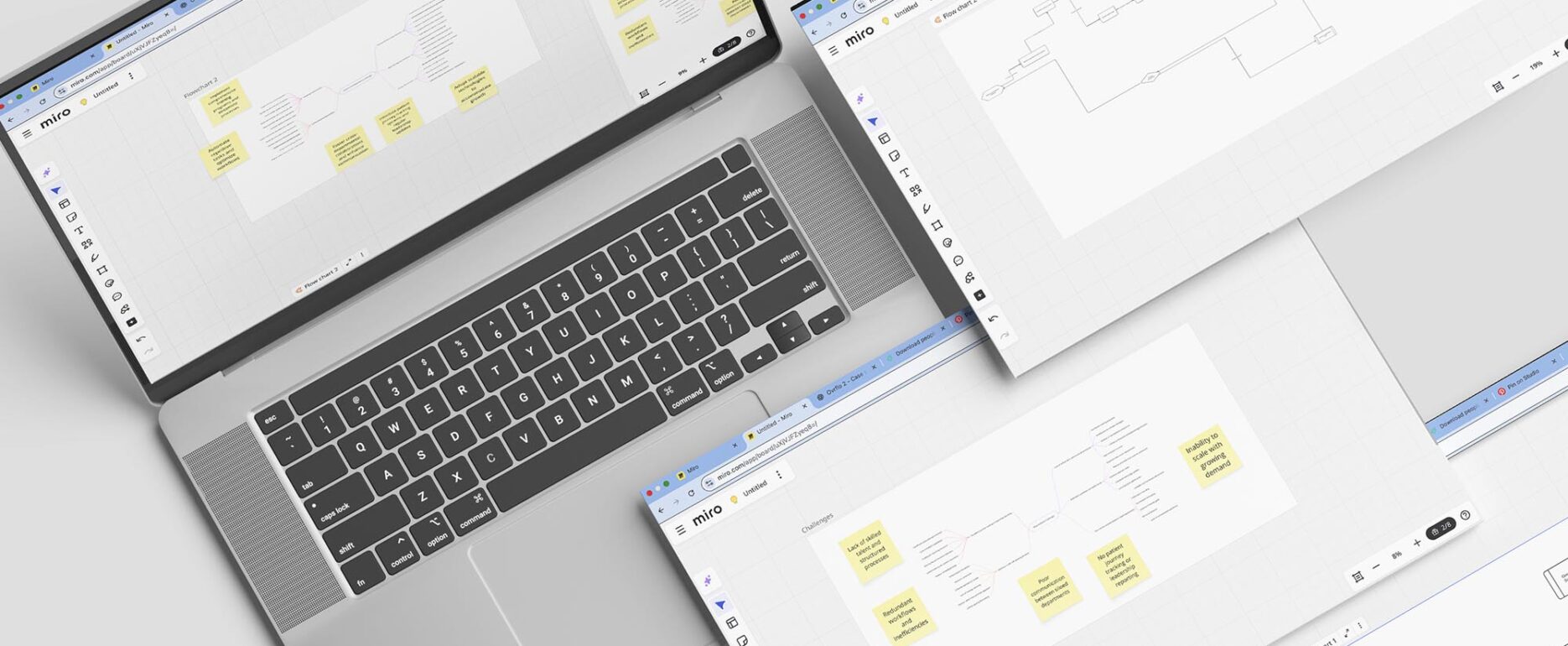
No system to track the patient journey from inquiry to surgery.
-
Lack of leadership visibility — no reporting or KPIs.
-
High employee turnover and inability to scale with demand.
-
Team culture was virtually non-existent, leading to low morale and disengagement.
Solution
-
Talent & Culture – Hired and trained skilled staff, introduced accountability and recognition.
-
Process Optimization – Streamlined workflows, implemented SOPs, and reduced inefficiencies.
-
Integration – Built communication frameworks to align marketing, scheduling, and clinical teams.
-
Tracking & Reporting – Introduced patient journey visibility, real-time dashboards, and forecasting tools.
-
Repositioning – Shifted internal perception from “call center” to strategic growth engine.
Turning Strategy into Systems
My Approach
To transform the department, I built the strategy around three core steps:
Define the Strategy
-
Positioned patient services as a communications hub rather than a cost center.
-
Established clear objectives tied to growth, efficiency, and patient experience.
Redesign the Operations
-
Streamlined scheduling and inquiry workflows to reduce friction.
-
Standardized scripts, training, and SOPs to ensure consistent patient touch points.
Deliver & Scale
-
Implemented dashboards to track KPIs in real time.
-
Aligned leadership and teams with ongoing training and transparent reporting.
Strategy & Alignment
Reframe the department and set the direction
-
Reframed patient services as a communications hub rather than a cost center.
-
Set clear objectives tied to growth, efficiency, and patient satisfaction.
-
Aligned leadership around a shared vision for transformation.
Operations & Delivery
Redesigned workflows, tools, and processes to make it work
-
Streamlined scheduling and inquiry workflows to reduce friction.
-
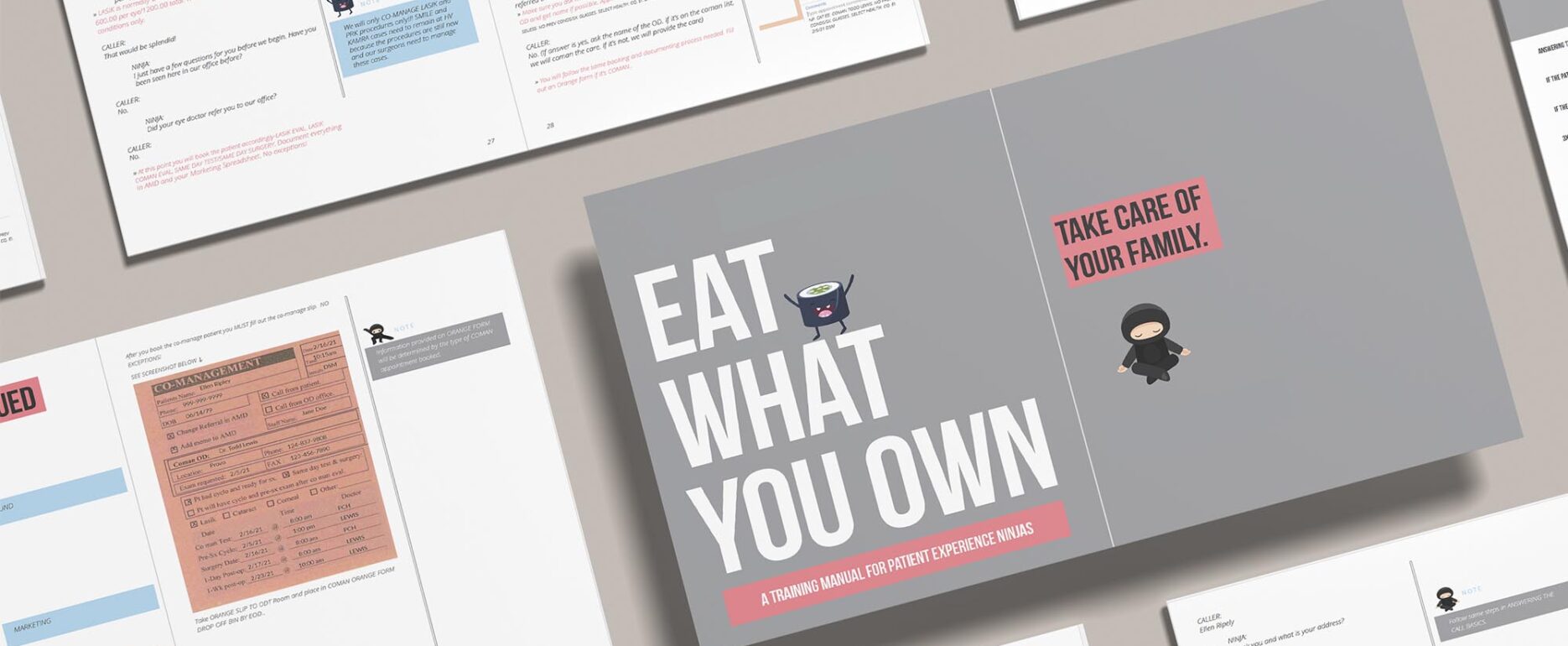
Standardized scripts, training, and SOPs for consistent patient interactions.
-
Implemented real-time KPI dashboards for visibility and accountability.
-
Built a culture of ownership with ongoing training and transparent reporting.
Results and Impact
Quantitative Outcomes
-
Conversion rates increased from 30–45% → 55–70%.
-
Booking times decreased by 20–30%, reducing lost leads.
-
Employee retention improved — turnover dropped from 1–2 employees leaving annually → staff retained for 3+ years on average.
Qualitative Outcomes
-
Patient satisfaction improved through smoother onboarding.
-
Cross-department collaboration became stronger and more efficient.
-
Team morale increased with clearer roles and recognition.
-
Leadership gained confidence with transparent reporting and visibility.
Key Takeaway
Transforming a call center requires more than new processes; it demands cultural change, operational redesign, and strategic repositioning. By elevating patient services into a communications hub, the practice unlocked a new growth engine that drove both revenue and patient satisfaction.